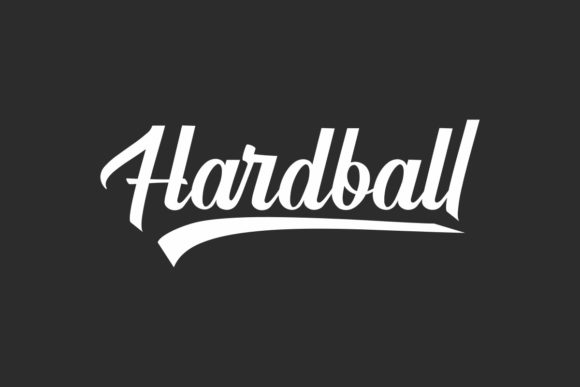
Hardball Font: Retro Script for Modern Design
As I sat down to redesign the header for my lifestyle blog, I found myself searching for a font that could capture the nostalgic charm of vintage typography while still feeling fresh and contemporary. That’s when I discovered Hardball—a retro styled script font that effortlessly blends personality with practicality. Its PUA encoding makes it easy to access all the glyphs and swashes, which is a huge plus for anyone who wants to experiment without technical hurdles.
Hardball for Wedding Invitations and Elegant Branding
For a client looking to create a wedding guide, Hardball offered a perfect balance between elegance and character. The font’s flowing strokes and subtle flourishes brought a sense of sophistication to the cover design, making it stand out in a sea of more generic options. As a script handwritten font, it adds a personal touch that feels handcrafted rather than mass-produced. Whether used for invitation headers or logo design, Hardball has a way of making every project feel unique.
Hardball in Editorial Layouts and Content Branding
In editorial design, consistency is key. Hardball works well as a display font for headlines, pull quotes, and section titles, offering a visual anchor that draws readers in. When paired with a clean sans serif font for body text, it creates a dynamic contrast that enhances readability without sacrificing style. For a digital magazine layout, this font can be used to highlight key stories or introduce new sections, giving the publication a cohesive and professional look.
Hardball for Recipe Ebooks and Printable Guides
When I was designing a printable recipe ebook, I needed a font that felt approachable yet polished. Hardball provided just that. Its retro flair made the content feel warm and inviting, which is essential for a cookbook or meal planner. The font’s versatility allowed me to use it for both chapter headings and decorative accents, adding visual interest without overwhelming the reader. It also worked well in print materials, where its distinct shape stood out on paper without losing clarity.
Hardball for Newsletter Headers and Social Media Graphics
For a weekly newsletter, I wanted a font that could grab attention while still maintaining a sense of professionalism. Hardball proved to be an excellent choice for the header, adding a touch of personality that made the email feel more engaging. Its handwritten quality gives it a friendly, human feel, which is great for building trust with readers. When used in social media graphics, it adds a stylish edge that complements modern web design trends.
Hardball for Coaching Workbooks and Digital Course Materials
Coaching workbooks often require a balance between structure and creativity. Hardball helped achieve that by serving as a strong visual element for chapter openers and key takeaways. Its bold yet graceful strokes made it ideal for highlighting important concepts, while its retro aesthetic added a nostalgic appeal that resonated with the target audience. As a premium font, it gave the workbook a polished look that felt both professional and personal.
Hardball for Book Covers and Printables
When working on a printable planner, I found that Hardball was perfect for title pages and decorative elements. Its ability to support multiple glyphs and swashes allowed for custom touches that made each page feel unique. For a book cover, the font’s retro style complemented the overall theme, making it a standout choice for any project that benefits from a vintage-inspired look. Its PUA encoding ensured that all the special characters were accessible without extra effort.
Hardball for Web Design and Content Hierarchy
On the web, readability is crucial. While Hardball excels as a display font, it’s best used for short bursts of text such as headings, logos, or callout boxes. For longer paragraphs, pairing it with a readable serif or sans serif font ensures that the content remains legible across different devices. This font works especially well in web design when used for hero sections, banners, or interactive elements, where its visual impact can enhance user engagement without compromising usability.
Hardball for Brand Identity and Packaging Design
Brand identity often relies on consistent visual elements, and Hardball offers a unique opportunity to express personality through typography. Whether used for a logo, packaging design, or product labels, its retro style adds a distinctive flair that sets a brand apart. As a script handwritten font, it conveys a sense of authenticity and craftsmanship, making it ideal for small businesses or independent creators looking to build a memorable brand presence.
Hardball for Creative Projects and Design Assets
From a creative perspective, Hardball is a versatile tool that can elevate a wide range of design projects. Its retro aesthetic pairs well with other vintage-inspired elements, making it a valuable addition to any designer’s toolkit. Whether you’re creating a printable guide, a course PDF, or a digital magazine, this font offers a level of detail and character that many other fonts lack. Its ease of use, thanks to PUA encoding, ensures that you can focus on the design rather than the technicalities.